
NFL Takes Stern Action: Cole Bishop Fined $50,000 and Suspended for Season After Devastating Hit on Bo Nix
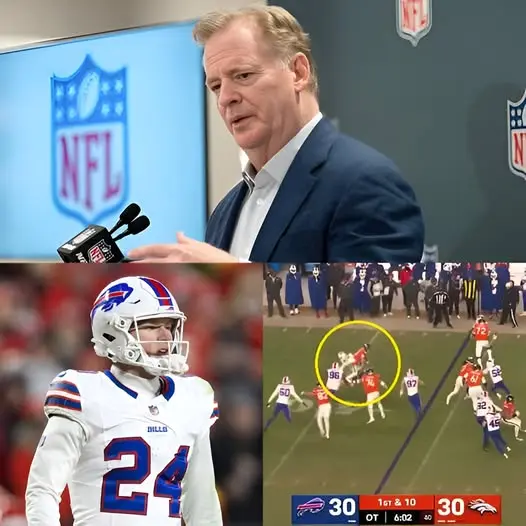
In a move that has sent shockwaves across the NFL community, Commissioner Roger Goodell has reportedly issued a major disciplinary ruling against Cole Bishop of the Buffalo Bills. The linebacker has been slapped with a $50,000 fine and a season-long suspension following a controversial play that left Denver Broncos rookie quarterback Bo Nix with a career-altering injury. The decision, confirmed by league sources, underscores the NFL’s increasing focus on player safety and highlights the intensifying debate over aggressive hits on the field.
The incident, which occurred during a high-stakes matchup between the Bills and Broncos, has ignited passionate discussions among players, coaches, analysts, and fans alike. Footage of the hit quickly went viral, with many questioning whether Bishop’s play crossed the line into recklessness. Bo Nix, widely regarded as one of the league’s promising young quarterbacks, suffered a severe injury that effectively ended his season. The ramifications of the play extend beyond the field, as fans and pundits debate whether the punishment handed down is sufficient or overly harsh.
League insiders reveal that the NFL conducted an extensive review before finalizing the ruling. Multiple angles of the hit were scrutinized, including Bishop’s positioning, the force of the tackle, and the impact on Nix’s vulnerable posture during the play. “The league takes player safety very seriously,” a source close to the investigation stated. “This ruling reflects the NFL’s commitment to protecting its athletes, especially in cases where the outcome of a single play can have long-term consequences for a player’s career.”
The timing and severity of the suspension have sparked considerable conversation throughout the football world. Critics argue that a season-long suspension is unprecedented for a single on-field incident and may set a new standard for disciplinary measures. Others suggest that the punishment is a necessary deterrent to prevent similar incidents, emphasizing that protecting quarterbacks has become a top priority for the league. Regardless of the stance, the ruling has made one thing clear: the NFL is sending a strong message about accountability and safety.
Social media platforms exploded in response to the announcement. Fans expressed outrage, support, and disbelief, with hashtags related to both Cole Bishop and Bo Nix trending within hours. Analysts on major sports networks debated the ethics and mechanics of the play, dissecting whether Bishop’s actions were intentional or a miscalculated attempt at a legitimate tackle. Meanwhile, Broncos supporters rallied around Nix, expressing concern over the long-term impact of the injury on his development and the team’s season prospects.
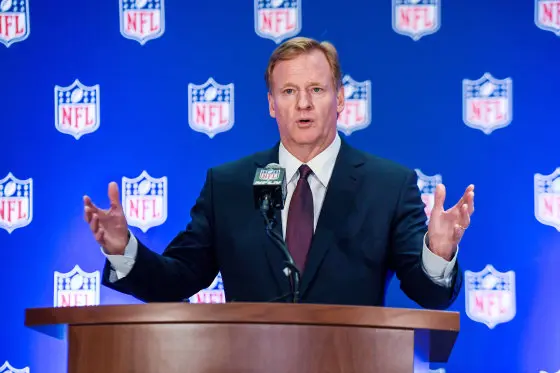
This incident also raises broader questions about how the NFL enforces rules regarding hits on quarterbacks. In recent years, the league has faced mounting pressure to curb dangerous tackles and enforce stricter penalties to ensure player safety. With quarterbacks being high-value players and often the focal point of team strategies, incidents like the one involving Bo Nix reignite conversations about balancing the intensity of the game with the welfare of its athletes. The Bishop ruling may now serve as a benchmark for similar cases in the future, signaling that severe consequences will follow egregious on-field actions.
For Cole Bishop, the ruling represents a major setback in a promising career. The linebacker, who has been a key contributor to the Bills’ defensive strategy, now faces the challenge of returning to the field after a lengthy suspension while dealing with public scrutiny and criticism. In official statements, Bishop has yet to comment on the punishment, but sources close to him suggest he is reviewing the decision with his legal and professional advisors. The outcome may also prompt discussions about appeals, though the league’s current stance indicates a firm position on the ruling.
The incident’s impact extends beyond the immediate players involved. Teams are now closely examining their defensive training techniques and coaching strategies to avoid potential violations that could result in similar disciplinary actions. Analysts suggest that this ruling may influence defensive play calling and risk assessment for the remainder of the season. Coaches and players alike are being reminded that aggressive tactics, while part of the game’s appeal, come with heightened scrutiny and accountability.
Bo Nix, meanwhile, faces the daunting task of recovery. While official reports have not detailed the full extent of his injury, league insiders confirm that it is serious enough to sideline him for the remainder of the season. Fans and teammates are rallying behind the young quarterback, expressing hope for a full recovery and eventual return to form. Nix’s rehabilitation process will likely become a focal point for sports media coverage in the coming months, as the league and fans monitor his progress closely.
Ultimately, the NFL’s decision to fine and suspend Cole Bishop reflects a broader cultural shift within professional football. The league is increasingly prioritizing player safety, emphasizing that certain types of hits will no longer be tolerated. While the debate over the severity of Bishop’s punishment will continue, the ruling sends a clear message to players at every level: reckless actions on the field carry serious consequences, both financially and professionally.
As discussions unfold across media outlets, social media, and locker rooms, the incident serves as a stark reminder of the delicate balance between competitive intensity and responsible play in modern football.
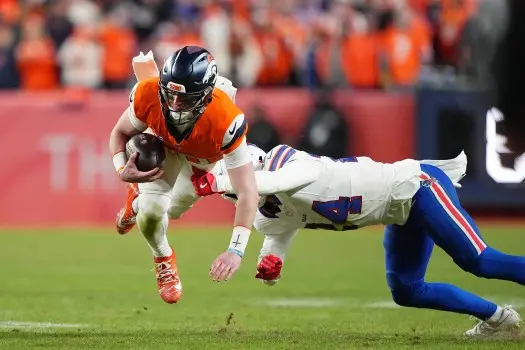
As the season progresses, all eyes will be on both the Buffalo Bills and the Denver Broncos. Bishop’s absence will test the Bills’ defensive depth and strategy, while Nix’s recovery will be closely followed by fans and analysts eager to see how the young quarterback rebounds from adversity. In the meantime, the ruling stands as a defining moment in the NFL’s ongoing effort to safeguard its players and uphold the integrity of the game.
The ripple effects of this high-profile decision are likely to influence league policies, team strategies, and player behavior for years to come, cementing the incident as one of the most consequential disciplinary actions in recent NFL history.